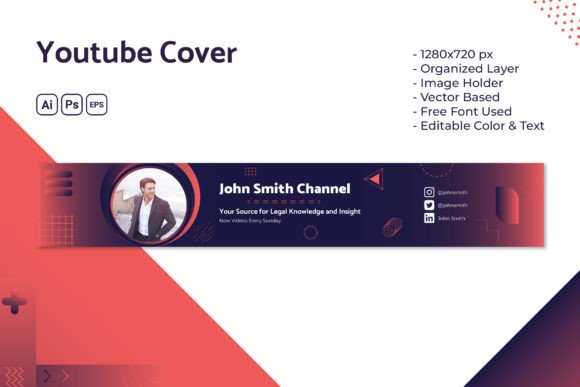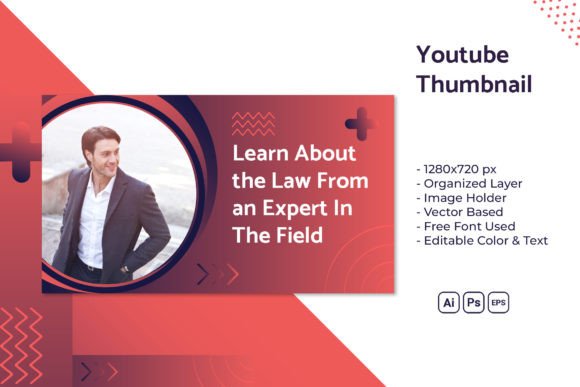
Lawyer Youtube Thumbnail: Visual Design for Legal Professionals
In the competitive digital landscape, a compelling first impression is often the deciding factor for viewer engagement. For legal professionals, a well-designed Lawyer Youtube Thumbnail is a critical piece of visual communication that establishes credibility and attracts a target audience seeking expert guidance.
Effective graphic design for this niche goes beyond a simple headshot. It involves a strategic blend of typography, color psychology, and layout to convey trust, authority, and approachability. A thumbnail must function as a mini-brand statement, aligning with the firm's broader brand identity and ensuring consistency across all digital marketing efforts.
The Anatomy of an Effective Legal Thumbnail
Creating a professional presentation requires attention to key design elements. The visual hierarchy should guide the viewer's eye from the most important information—often the lawyer's face or a key topic phrase—to supporting details. This is where modern aesthetics and clear design principles intersect.
- Typography: Font selection is paramount. Clean, serif or sans-serif fonts with high readability at small sizes convey professionalism. Avoid overly decorative styles that can appear unprofessional or be difficult to read on mobile devices.
- Color Palette: Colors evoke emotion and association. Deep blues and greens often suggest trust and stability, while accent colors can be used to highlight calls to action or key text, creating a strong visual impact without overwhelming the composition.
- Imagery and Composition: High-quality, professionally lit photography is non-negotiable. The composition should use the rule of thirds or central framing to create a balanced, engaging layout that feels intentional and polished.
Practical Applications Beyond the Platform
The skills and assets used to craft a strong Lawyer Youtube Thumbnail have direct applications across numerous creative projects. The principles of visual hierarchy and brand consistency are universal in design.
- Brand Identity Systems: The color schemes and typographic choices established for video content should inform logo design, letterheads, and all branded materials to create a cohesive system.
- Social Media Graphics: The same template-driven approach ensures a professional and recognizable presence on LinkedIn, Instagram, and other platforms, streamlining the content creation workflow.
- Presentation Design: Slide decks and webinar graphics benefit from the same clean layout principles, ensuring that information is communicated clearly and maintains the firm's professional image.
- Website and UI Design: Consistent use of color, type, and imagery contributes to a seamless user experience (UX), reinforcing trust as potential clients navigate a legal website.
Implementing Design Assets Efficiently
Utilizing customizable templates is a practical solution for maintaining high-quality output without extensive design resources. When selecting such assets, consider their compatibility with your existing design workflow. Files provided in formats like AI, PSD, and EPS allow for full customization in industry-standard software like Adobe Illustrator and Photoshop.
Ensure the template is built with neatly organized layers, allowing for easy edits to text, colors, and graphic elements. This flexibility is crucial for adapting a core design to different topics, ensuring each video has a unique yet consistently branded thumbnail. The goal is to enhance your design efficiency while elevating the overall visual quality of your channel.
Ultimately, thoughtful design choices are an investment in clear communication. Quality creative assets, from templates to custom graphics, do more than just improve aesthetics—they build brand recognition, foster viewer trust, and ensure your message is received with the professionalism it deserves. By applying these graphic design principles, legal professionals can effectively translate their expertise into a compelling visual narrative.